

Why Using AI Tools for Your FCRA Case Is a Costly Mistake
Consumers increasingly turn to artificial intelligence for answers to complex problems, and legal issues are no exception.

Table of ContentWhy Using AI Tools for Your FCRA Case Is a Costly Mistake
Consumers increasingly turn to artificial intelligence for answers to complex problems, and legal issues are no exception. If you find a mistake on your credit report, you might be tempted to ask ChatGPT to draft a quick dispute letter or explain your rights. While these tools can be helpful, relying on them to handle a Fair Credit Reporting Act (FCRA) dispute creates significant risk, and could even destroy your claims.
FCRA issues often look simple on the surface. You spot a inaccurate account, you dispute it, and it gets corrected, right? Unfortunately, in reality, credit reporting lawsuits involve strict rules, tight deadlines, and careful legal strategy.
Using AI to manage a credit dispute can derail your case from the moment an error appears on your report. This guide explains exactly why AI falls short at every stage of the FCRA process and what you should do instead.
FCRA Problems Involve Multiple Steps
Resolving a credit reporting error requires far more than just sending a single dispute letter. The full FCRA process is a multi-step journey. It involves identifying the specific errors, gathering the right evidence, formally disputing the inaccuracies, escalating the matter if the initial dispute is ignored, filing regulatory complaints if necessary, and sometimes taking the issue to federal court.
Every single one of these steps requires precision and legal judgment. A misstep early in the process can diminish the value of your case or even block your ability to file a lawsuit later. Artificial intelligence oversimplifies this entire timeline. It treats a credit dispute as a simple customer service issue, failing to prepare you for the legal hurdles that credit reporting agencies (CRAs) and furnishers will throw your way.
AI Gives Wrong or Outdated Legal Information
One of the most dangerous aspects of generative AI is its tendency to “hallucinate.” These systems confidently invent facts, statutes, and case law that do not exist. When you ask a chatbot for legal advice on the FCRA, you are gambling with the accuracy of the information.
Common errors generated by AI include:
- Recommending the wrong dispute procedures.
- Providing incorrect timelines for when CRAs must respond.
- Misstating what financial damages are actually available to you.
Misunderstanding the private right of action (your legal right to sue).
Following bad advice from an AI tool can weaken a perfectly valid claim. If you fail to include certain language or documents with your disputes, the CRA may avoid liability under the FCRA.
AI Fails at Evidence Review and Case Strategy
Successful FCRA cases depend heavily on analyzing extensive documentation. Attorneys spend hours reviewing credit reports, CRA responses, furnisher records, and past correspondence. AI simply cannot evaluate these documents with the legal precision and nuance of an experienced FCRA attorney.
An AI tool cannot accurately assess complex situations like mixed credit files, where your data gets merged with someone else’s. It struggles to identify the specific patterns associated with identity theft. It cannot navigate “reinsertion” issues, which happen when a previously deleted error reappears on your report. Furthermore, AI cannot accurately determine whether the credit reporting agency or the data furnisher (like a bank or debt collector) holds legal liability for the error. These strategic decisions require human legal judgment and experience.
AI Misleads Consumers About Complaints and Escalation
Many people use AI to draft complaints to the Consumer Financial Protection Bureau (CFPB) or their state’s Attorney General. They might also use it to write follow-up disputes to the credit bureaus.
Relying on a bot for these tasks introduces major risks. Filing a regulatory complaint too early can stall your progress. Even worse, an AI-drafted complaint might include statements that directly contradict your future legal claims. If you make inaccurate statements that harm your credibility, the opposing side will use those words against you in court. AI easily misses key facts or legal theories that a human attorney would highlight, ultimately undermining your chances of a successful litigation.
AI Cannot Navigate Pre-Litigation Negotiations
Credit bureaus and data furnishers respond very differently when a consumer is represented by a competent attorney. If you attempt to negotiate a settlement on your own using AI-generated scripts, you will likely be ignored or lowballed.
Artificial intelligence cannot actually negotiate on your behalf. It cannot build legal leverage or communicate effectively with opposing counsel. Perhaps most importantly, an AI tool has no reliable way to assess the true settlement value of your case. DIY negotiation attempts usually signal to the credit bureaus that you do not have professional legal backing, reducing their incentive to offer a fair resolution.
AI Cannot File Lawsuits or Handle Litigation
If your dispute remains unresolved and you need to file a lawsuit, AI is completely useless. FCRA litigation requires drafting a formal complaint that meets strict federal pleading standards. You must understand complex jurisdictional issues, conduct formal discovery, and respond to legal motions filed by corporate lawyers.
AI cannot appear in court for you. It cannot argue motions before a judge, and it cannot present evidence to a jury. When the process moves from dispute letters to an actual courtroom, you need a licensed attorney to protect your rights.
Privacy Risks: Uploading Sensitive Financial Data
Using AI tools requires you to input data. Consumers often paste their full credit reports, dispute letters, and sensitive personal information into these systems to generate customized responses.
Doing this exposes you to severe privacy risks. AI companies often retain your data to train their future models. This means your financial history, Social Security number, and address could be accessed by third parties or potentially misused. This is a stark contrast to attorney-client confidentiality. When you work with a law firm, your sensitive documents are handled securely and protected by strict legal ethics rules.
Real-World Consequences of Relying on AI
The fallout from using AI for FCRA issues is very real. We frequently see consumers who have inadvertently delayed their own recovery by using AI, leading to prolonged credit damage. By following incorrect AI advice, consumers miss out on damages they were legally entitled to collect.
Sometimes, consumers accidentally admit fault or weaken their claims because an AI tool suggested inappropriate language for a dispute letter. Other times, consumers have their cases dismissed without the option to re-file due to their lack of understanding of the federal court system. Ultimately, relying on AI causes you to lose leverage with the CRAs and furnishers, often leaving you stuck with an inaccurate credit profile.
How Raburn Kaufman Handles FCRA Cases the Right Way
At Raburn Kaufman, we understand exactly how the credit reporting agencies operate, and we know how to hold them accountable. We start with a thorough investigation and a meticulous document review of your entire credit file.
We provide strategic dispute drafting tailored specifically to your unique situation—no generic templates and no AI hallucinations. If the CRAs fail to correct the errors, we handle the proper escalation and complaint filing. We bring skilled negotiation and litigation experience to the table, ensuring the credit bureaus take your case seriously. Best of all, we offer representation with no up-front cost for consumers when the FCRA allows us to recover our fees directly from the offending companies.
Secure Your Rights with Real Legal Representation
Artificial intelligence is a fascinating tool for general education and brainstorming. It is not, however, a legal advocate. When your financial reputation is on the line, cutting corners with automated chatbots is a risk you cannot afford to take.
Protect your credit and your privacy by seeking real legal help early. Reach out to Raburn Kaufman today to discuss your credit reporting issues and let our experienced team guide you through the FCRA process safely and effectively.
Free case review
Think This Is Happening to You?
An attorney can review your credit reports and records for free. You pay nothing unless we win.
Related: Credit Reporting Attorneys
Official resource
Fair Credit Reporting Act(opens in a new tab)
Federal Trade Commission. The full text of the federal law that governs credit reports and background checks.
Keep reading
Credit Report Errors
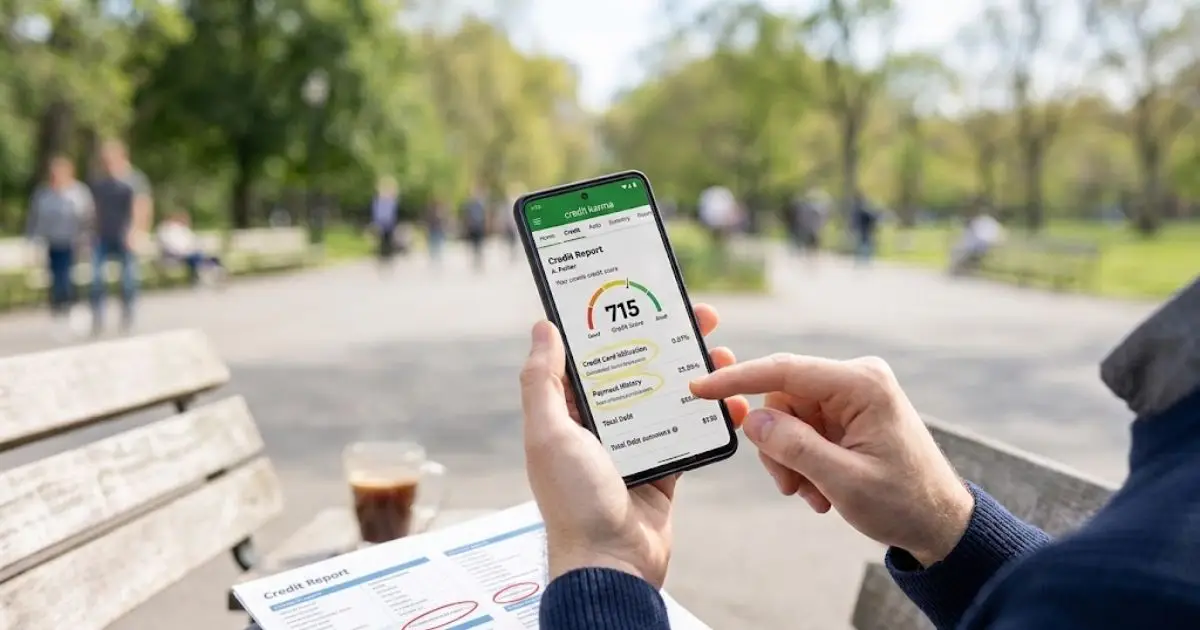
Why Credit Karma Isn't Enough: What You're Missing on Your Credit Report
Nearly 130 million Americans use Credit Karma to monitor their credit scores. The app offers convenience and free access, but it only shows part of the picture.
Read Article
Credit Report Errors
Preparing for a Mortgage? Watch Out for Credit Errors
A credit report error can stall a mortgage application. Learn which errors to look for before you apply and how to dispute them under the FCRA before closing.
Read Article
Credit Report Errors
Mystery Apartment on Your Credit Report? What to Know
Checking your credit report is usually a routine financial task, right up until you spot something completely unfamiliar.
Read Article