



Mixed Credit Files
File mixing occurs when one consumer's credit information is placed on another consumer's credit file. Contact us to discuss your options.

Table of ContentMixed Credit Files
Learn more about the federal law that governs credit and background reporting: the Fair Credit Reporting Act.
It can be very frustrating when someone else’s information appears on your credit report or in your credit file. Unfortunately, having the information removed from your file can be incredibly difficult to do alone. Our experienced mixed credit report attorneys at Raburn Kaufman can help you dispute lingering credit reporting errors and inaccuracies. Below are the implications of mixed credit files and what you can do to correct these credit reporting errors.
What Does it Mean to Have a “Mixed” File?
When consumers’ credit files are mixed, one consumer’s accounts or information may appear on another consumer’s credit report. When consumers see information on their credit reports that they do not recognize, many assume that identity theft is involved. If information not belonging to you is appearing on your credit report, contact an experienced credit attorney who can guide you through the complexities of file mixing.
Two or More Individual Records in One Credit File
Mixed files occur when credit reporting agencies erroneously report the information of one consumer on another consumer’s credit report. While it may seem that credit reporting errors such as file mixing could be an uncommon occurrence, a Federal Trade Commission survey has shown that over 40 million people have some type of credit reporting error. Credit reporting agencies collect data from millions of people and reporting inaccuracies do occur. When credit reporting errors take place, the credit reporting agency is violating the federal standard for credit reporting.
Why Do Credit Reporting Agencies Mix Credit Files?
Credit reporting agencies mix credit files when identification points correlate between different accounts. The data points could range from social security numbers to names and former addresses. Read on to learn how correlating information could lead to a mixed credit file.
- Similar SSN Numbers One of the most common reasons why file mixing occurs is due to similar social security numbers. This is common among relatives, such as siblings, who were born in the same area or within a few years of each other. Similar social security numbers are also common in immigrant communities when two or more people are issued their social security numbers at or around the same time.
- Similar Names Credit reporting agencies often mix the files of consumers with common names. This can occur across all cultures. For example, people with names such as Matthew Smith, Carlos Lopez, John Williams, David Nguyen, Antonio Hernandez, or Muhammad Ahmad may be more susceptible to file mixing issues. Members of the same family having similar names could also fall victim to file mixing. For instance, Adam Jones, Sr., and Adam Jones, Jr., may find that their files have been mixed.
- Similar Addresses One piece of personal identification information the bureaus use in credit reporting is current or former addresses. That means that if you had the same address as someone else, the agency could mix your files. It’s often found among family members or former roommates.
What to Do if my Credit File is Mixed?
It is your responsibility to verify the accuracy of your credit report. You can do this by checking your credit report regularly by visiting www.annualcreditreport.com. If you notice inaccurate information on your credit report, you should consider hiring an attorney.
Consumers that have suffered damages because of a mixed credit file may have a claim against the entities reporting the inaccurate information under the Fair Credit Reporting Act (FCRA). Our law firm can help. With 29+ years of experience, our attorneys at Raburn Kaufman have successfully represented countless victims of credit reporting errors. For a free case evaluation with a mixed credit report attorney, please reach out to us at (877) 916-5333. If we don’t win, you don’t pay!
Free case review
Think This Is Happening to You?
An attorney can review your credit reports and records for free. You pay nothing unless we win.
Official resource
What are common credit report errors that I should look for?(opens in a new tab)
Consumer Financial Protection Bureau. A checklist of the mistakes that show up most often.
Related Articles
Credit Report Errors
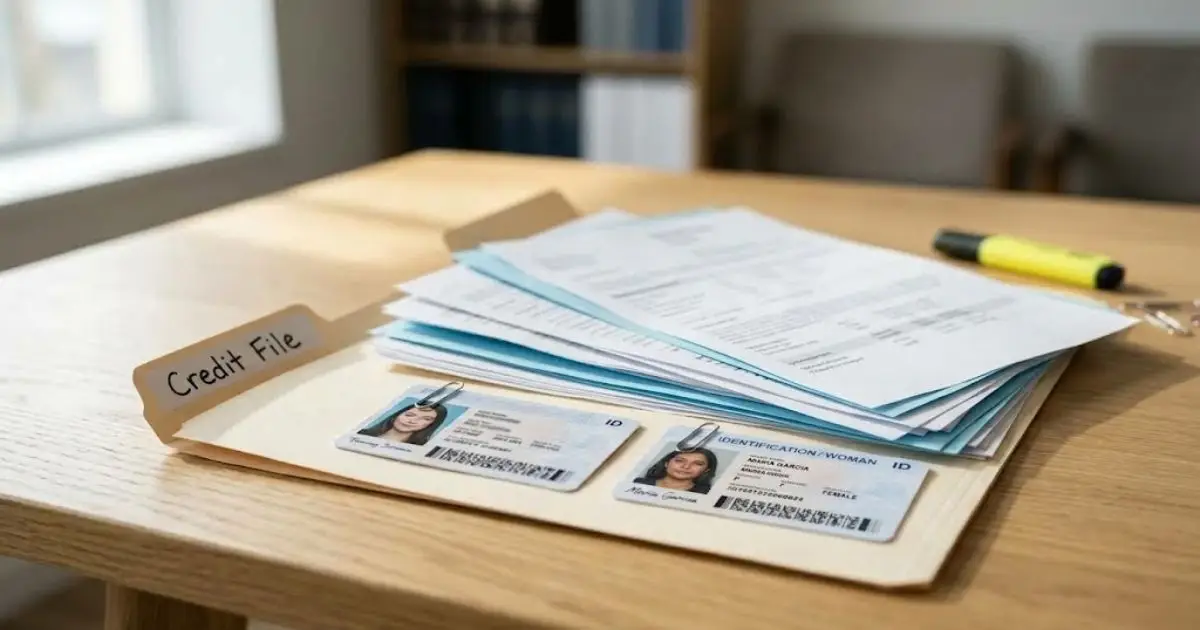
What Should You Do If You Have A Mixed Credit File?
What should I do if I have a mixed credit file? Learn how to resolve inaccuracies, and understand how to correct and protect your financial records effectively.
Read Article
Credit Report Errors
The Ripple Effect: How Mixed Files Can Impact Your Financial Health
Learn more about the ripple effect and how mixed files can impact your financial health today at Raburn Kaufman! Trust us for legal guidance
Read Article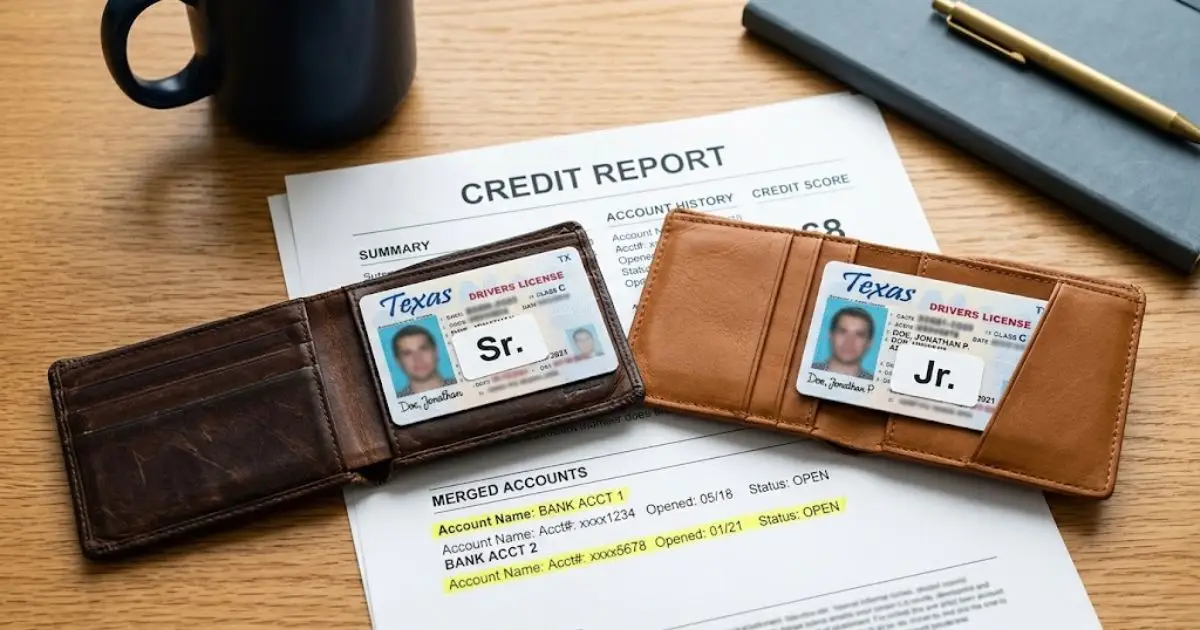
Credit Report Errors
When Credit Reports Mix Up Family Members: Your Rights Under the FCRA
Raburn Kaufman explains your FCRA rights when credit reports mix up family members. Learn how mixed files may impact your credit, housing, or employment.
Read Article