

Beyond the Big Three: LexisNexis, Innovis, and Other Hidden Credit Reports
Raburn Kaufman examines hidden credit reports from LexisNexis, Innovis, and others beyond the big three. Learn how these reports may impact your record.
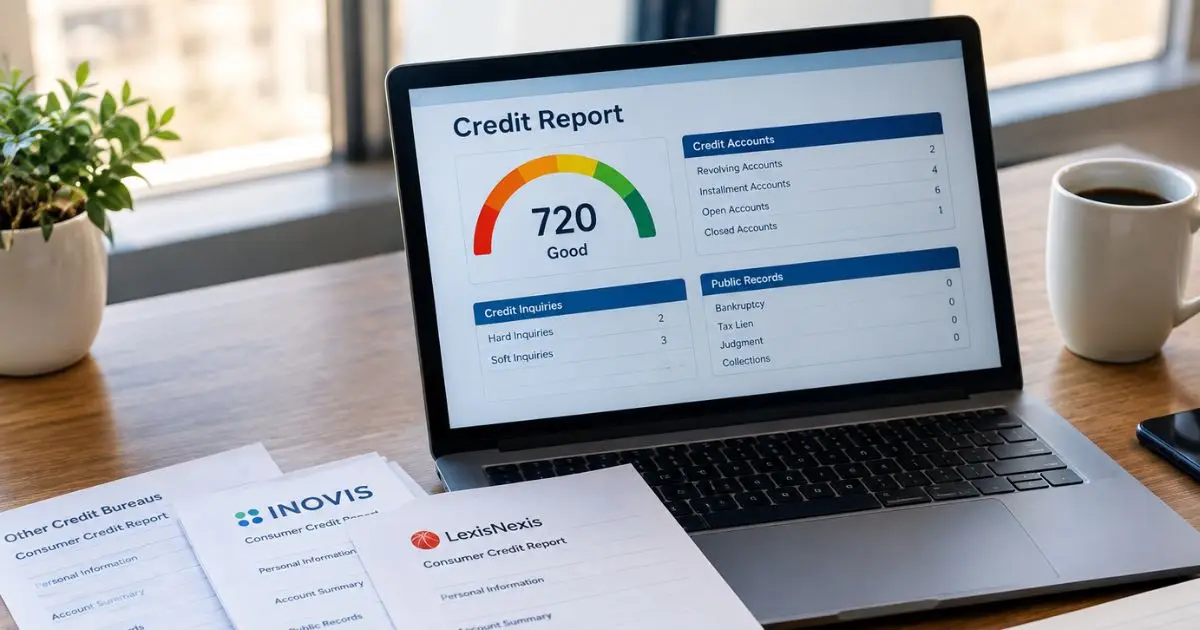
Table of ContentBeyond the Big Three: LexisNexis, Innovis, and Other Hidden Credit Reports
Most consumers know about the “big three” credit reporting agencies: Equifax, Experian, and TransUnion. These companies compile detailed reports about your borrowing history, payment patterns, and creditworthiness.
However, a vast network of lesser-known agencies operates behind the scenes, collecting equally sensitive information that can significantly impact your ability to secure housing, employment background checks, or insurance coverage.
These companies, known as specialty consumer reporting agencies (CRAs), maintain detailed files on millions of Americans. Two of the most prominent, yet lesser-known, CRAs are LexisNexis and Innovis, though dozens of others—including CoreLogic, SageStream, and ChexSystems—maintain extensive consumer databases.
The Fair Credit Reporting Act (FCRA) governs all consumer reporting agencies, regardless of size or specialty. This means these companies have the same legal responsibilities as major credit bureaus when it comes to accuracy, privacy, and dispute resolution. Unfortunately, many specialty CRAs fall short of these obligations, leaving consumers with limited recourse when errors occur.
Knowing how these agencies operate—and knowing your rights when they make mistakes—can protect you from significant financial and personal harm. The credit reporting attorneys at Raburn Kaufman have helped countless clients navigate disputes with specialty CRAs, and we’ve seen firsthand how errors in these reports can derail lives and livelihoods.
What These Companies Collect—and Why It Matters
Specialty consumer reporting agencies cast a much wider net than traditional credit bureaus. While Equifax, Experian, and TransUnion focus primarily on credit accounts and payment history, specialty consumer reporting agencies compile information from diverse sources to create profiles used by landlords, employers, insurers, and other decision-makers.
LexisNexis
LexisNexis maintains one of the most extensive consumer databases in the United States. The company collects information from thousands of sources, including:
- Public Records: Court filings, bankruptcy documents, property records, professional licenses, and criminal history information. This data comes from federal, state, and local government agencies across the country.
- Insurance Claims: Detailed records of auto, homeowners, and other insurance claims, including claim amounts, dates, and circumstances. Insurance companies use this information to assess risk and set premiums.
- Eviction Reports: Records of eviction filings, regardless of whether the eviction was completed. Even dismissed cases or disputes resolved in the tenant’s favor may appear in these reports.
- Address and Identity Verification: Current and previous addresses, phone numbers, and associated household members. This information helps verify identity and detect potential fraud.
The scope of LexisNexis data collection extends far beyond what most consumers realize. The company’s reports can influence decisions about rental applications, insurance coverage, employment opportunities, and even eligibility for certain financial products.
Innovis
Innovis operates similarly to traditional credit reporting agencies but maintains a much lower public profile. The company collects information about credit accounts, payment history, and public records, creating reports used primarily for:
- Prescreening: Credit card companies and other lenders use Innovis data to identify potential customers for promotional offers.
- Address Verification: Financial institutions rely on Innovis reports to verify customer addresses and detect potential fraud.
- Risk Assessment: Insurance companies and employers may request Innovis reports as part of their evaluation processes.
Despite its similarity to major credit bureaus, Innovis credit reports often lack transparency. Many consumers discover Innovis only after being denied credit, housing, or employment.
Why Accuracy Matters
Errors in specialty CRA reports can have devastating consequences. An inaccurate eviction listing might prevent you from securing housing. Incorrect insurance claim information could result in coverage denials or inflated premiums. Mixed files in credit reports—where one person’s information appears on another’s report—can create confusion and harm for multiple consumers.
These consumer reporting errors often prove more difficult to correct than mistakes on traditional credit reports. Specialty CRAs frequently lack robust dispute resolution systems, and their customer service infrastructure may be inadequate for handling consumer complaints effectively.
Common Issues We See at Raburn Kaufman
Through our work representing consumers in FCRA cases, we’ve identified several recurring problems with specialty consumer reporting agencies. These issues can cause significant harm to consumers who often remain unaware of the reports’ existence until something goes wrong.
File Mixing and Identity Confusion
One of the most serious problems we encounter involves mixed consumer files. This occurs when information belonging to one person appears on another person’s report, often due to similarities in names, addresses, or Social Security numbers.
File mixing can happen when:
- Two people share similar names and live in the same area
- A data furnisher provides incomplete or incorrect identifying information
- Computer algorithms incorrectly link records based on partial matches
- Previous residents’ information remains associated with an address
The consequences of mixed files can be severe. You might find yourself linked to someone else’s bankruptcy, eviction, or criminal record. These errors can block access to housing, employment, or insurance, and they often prove difficult to correct because they involve multiple data sources and complex verification processes.
Wrongful Public Record Listings
Public records represent a significant source of information for specialty CRAs, but these records are often incomplete, outdated, or incorrectly interpreted. Common problems include:
- Dismissed Cases Reported as Convictions: Court cases that were dismissed or expunged may still appear as negative marks on consumer reports.
- Misidentified Parties: Public records may be incorrectly attributed to consumers with similar names or identifying information.
These inaccuracies can persist for years, affecting your ability to secure housing, employment, or credit. Unlike credit account information, public records often lack clear dispute procedures, making correction difficult.
Your Rights Under the FCRA—Even With Smaller Credit Reporting Agencies
The Fair Credit Reporting Act (FCRA) applies to all consumer reporting agencies, regardless of size or specialization. This means you have the same fundamental rights whether you’re dealing with Equifax or a smaller specialty CRA. Right to Access Your Reports
You have the right to request a copy of any consumer report maintained about you. For specialty CRAs, this process may be less straightforward than requesting reports from major credit bureaus. Some agencies provide online access, while others require written requests with identity verification documents.
When requesting specialty CRA reports, be prepared to provide:
- Full name and any name variations you’ve used
- Current and previous addresses
- Social Security number
- Date of birth
- Copy of driver’s license or other government-issued identification
Many specialty CRAs must provide one free report per year, though some may charge reasonable fees for additional copies.
Right to Legal Remedies
When specialty CRAs violate the FCRA, you may be entitled to significant remedies, including:
- Actual Damages: Compensation for financial losses caused by FCRA violations, such as higher insurance premiums, lost housing opportunities, or employment-related losses.
- Emotional Distress Damages: Recovery for the stress, anxiety, and frustration caused by inaccurate reporting.
- Punitive Damages: Additional compensation designed to punish willful violations and deter future misconduct.
- Attorney’s Fees: The FCRA provides for attorney’s fee recovery, making it possible to pursue valid claims without the burden of high fees. In fact, many FCRA attorneys take cases on a contingency basis, meaning there are no up-front or out-of-pocket costs.
- Injunctive Relief: Court orders requiring agencies to change their practices or take specific corrective actions.
How Raburn Kaufman Helps Navigate Specialty CRA Disputes
At Raburn Kaufman, we represent consumers in credit reporting error cases involving LexisNexis, Innovis, and other specialty CRAs. Dealing with specialty consumer reporting agencies can be frustrating and confusing.
These companies often lack the customer service infrastructure of major credit bureaus, and their dispute procedures may be unclear or inadequate. We’ve developed effective strategies for addressing specialty CRA violations and securing meaningful relief for our clients.
Comprehensive Case Evaluation
Every case begins with a thorough evaluation of your situation. We examine your consumer reports, identify potential FCRA violations, and assess the harm caused by inaccurate reporting. This process often reveals issues that consumers haven’t identified themselves, as the effects of specialty CRA errors can be subtle but significant.
Our evaluation includes:
- Reviewing all available consumer reports
- Identifying factual inaccuracies and procedural violations
- Documenting the impact of errors on your life and finances
- Assessing the strength of potential legal claims
- Developing a strategy tailored to your specific circumstances
Strategic Communication and Advocacy
Before pursuing litigation, we often attempt to resolve disputes through strategic communication with specialty CRAs and data furnishers. Our attorneys understand how these companies operate and what arguments are most likely to prompt resolution.
Many companies prefer to resolve these errors quietly rather than face the scrutiny and expense of federal litigation.
Litigation When Necessary
When specialty CRAs refuse to correct obvious errors or fail to conduct adequate investigations, litigation may be necessary to protect your rights. Our attorneys have extensive experience pursuing FCRA claims against specialty CRAs in federal court.
We’ve successfully represented clients in cases involving:
- File mixing and identity confusion
- Inaccurate background checks
- Inadequate dispute investigations
- Unauthorized disclosure of consumer information
- Failure to maintain reasonable procedures
Take Action to Protect Your Rights
Specialty consumer reporting agencies wield significant influence over important aspects of your life, yet many consumers remain unaware of their existence until problems arise. Taking proactive steps to monitor and protect your consumer reports can prevent serious complications down the road.
If you discover credit reporting errors or background check inaccuracies, contact Raburn Kaufman’s attorneys.
Request Your Specialty CRA Reports
The first step in protecting yourself is understanding what information these agencies have collected about you. Request copies of your reports from major specialty CRAs.
Review these reports carefully for errors, outdated information, or signs of mixed files. Pay particular attention to public records, address information, and any negative marks that could affect your ability to secure housing, employment, or insurance.
Know When to Seek Legal Help
While some specialty CRA errors can be resolved through direct communication, others require legal intervention. Consider consulting with an experienced FCRA attorney if:
- Errors persist
- You’ve suffered financial harm due to inaccurate reporting
- You discover evidence of systemic problems or willful violations
Raburn Kaufman offers free consultations for consumers dealing with specialty CRA issues. Our credit reporting attorneys can evaluate your situation, explain your rights, and recommend the most effective approach for resolving your concerns.
We work on a contingency fee basis, meaning you pay no attorney’s fees unless we achieve a successful outcome.
Don’t let errors in hidden consumer reports derail your financial future. Contact Raburn Kaufman today to schedule your free case evaluation and learn how we can help protect your rights under the Fair Credit Reporting Act.
Share
Free case review
Think This Is Happening to You?
An attorney can review your credit reports and records for free. You pay nothing unless we win.
Related: Credit Reporting Attorneys
Official resource
Fair Credit Reporting Act(opens in a new tab)
Federal Trade Commission. The full text of the federal law that governs credit reports and background checks.
Keep reading
Credit Report Errors
Why Credit Karma Isn't Enough: What You're Missing on Your Credit Report
Nearly 130 million Americans use Credit Karma to monitor their credit scores. The app offers convenience and free access, but it only shows part of the picture.
Read Article
Credit Report Errors
Why Using AI Tools for Your FCRA Case Is a Costly Mistake
Consumers increasingly turn to artificial intelligence for answers to complex problems, and legal issues are no exception.
Read Article
Credit Report Errors
Preparing for a Mortgage? Watch Out for Credit Errors
A credit report error can stall a mortgage application. Learn which errors to look for before you apply and how to dispute them under the FCRA before closing.
Read Article