

Marked as Deceased? Why This Is A Very Dangerous Credit Error
Resolve credit report errors and remove a deceased indicator. Contact Raburn Kaufman as soon as possible for a free case review and nationwide FCRA assistance.
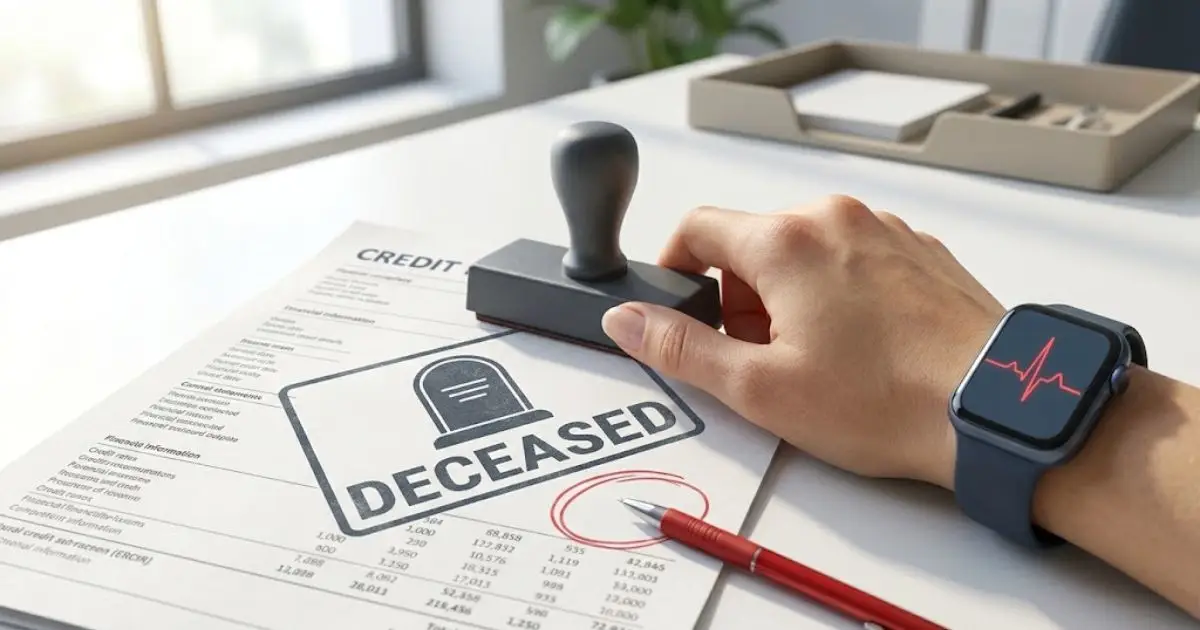
Table of ContentMarked as Deceased? Why This Is A Very Dangerous Credit Error
Discovering that a credit report lists you as deceased can feel surreal and deeply frustrating. It sounds like the plot of a bad movie: you are standing right there, paying bills and going to work, yet credit reporting agencies have mistakenly declared you dead.
While it might seem like a simple clerical mistake that can be resolved with a quick phone call, a “deceased indicator” is actually one of the most harmful errors a consumer can face. It does more than just lower a credit score; it can disrupt your entire financial identity. This glaring error can disrupt your finances and create emotional distress, in addition to a cascade of complications that can take months to resolve.
If you are currently facing this nightmare, it is vital to know that you are not powerless. The Fair Credit Reporting Act (FCRA) provides federal protections for consumers nationwide when credit reports contain false or misleading information.This guide will explain why this error happens, why it is so dangerous, and how you can reclaim your financial life.
What Is a Deceased Indicator?
In the simplest terms, a deceased indicator is a code or notation added to your credit file that alerts lenders that the consumer associated with the file has passed away. Credit bureaus—Equifax, Experian, and TransUnion—use this notation to prevent identity theft. The logic is sound: if a person is dead, no new credit should be opened in their name.
However, when this information is reported in error, the consequences can be severe for living consumers nationwide.
This notation usually originates from a “furnisher.” Furnishers are the companies that provide data to the credit bureaus, such as banks, credit card issuers, mortgage lenders, or debt collectors. If a furnisher mistakenly updates their internal records to say a customer has died, they transmit that code to the bureaus during their regular reporting cycle.
It is important to distinguish between legitimate account closures after death and reporting errors. When a deceased indicator is placed on the credit file of a living consumer, it can effectively freeze access to credit and financial services, regardless of where that consumer resides.
How Consumers Get Wrongly Marked as Deceased
You might be wondering how a bank or credit bureau could possibly make such a significant mistake. Unfortunately, these errors stem from systemic credit reporting and data-matching failures that affect consumers nationwide.
Mixed Credit Files
One of the most common causes is a mixed credit file. If you have a name similar to someone who has recently passed away, perhaps a father and son with the same name (Jr. and Sr.) the credit bureaus’ algorithms may merge the two files. If one individual has passed away, that information can be incorrectly applied to the living consumer’s credit report, even if they live in a different state.
Furnisher Data Entry Errors
In other cases, the error is human. A bank employee may accidentally select the wrong status when updating an account, or a debt collector may incorrectly assume a consumer has passed away during skip-tracing efforts. When these mistakes are reported to the credit bureaus, they can trigger a deceased indicator that disrupts a consumer’s financial life nationwide.
Joint Account Confusion
When a spouse passes away, the surviving spouse often notifies a bank to close joint accounts or remove the deceased partner’s name. If this request is processed incorrectly, the surviving spouse may be mistakenly reported as deceased, even though they are very much alive. This type of reporting error affects consumers nationwide and often arises from improper data handling by banks or other furnishers.
Why This Error Is So Dangerous
Being mistakenly marked as deceased is vastly different from having a late payment or a wrong address on your report. It is a “fatal” error for your financial profile because of the severity of the consequences. For consumers across the United States, a deceased indicator is one of the most damaging credit report errors possible because of its immediate and far-reaching consequences.
It Completely Freezes Your Credit
Once a deceased indicator is placed on your file, the credit bureaus will generally stop generating credit scores for you. If you apply for a credit card, a car loan, or a mortgage, the lender will receive a notification that the applicant is deceased. This results in an automatic denial. Consumers nationwide may find themselves unable to open new lines of credit, while existing accounts are frozen, reduced, or closed entirely.
It Blocks Identity Verification
In today’s digital economy, credit reports are frequently used to verify identity for non-credit purposes. If you apply for employment requiring a background check, attempt to rent housing, or try to establish utility services, systems may flag you as invalid based on incorrect credit data. This can lead to fraud alerts and immediate denials for living consumers in any state.
It Can Lead to Financial Loss
The ripple effects can be expensive. You might miss out on a limited-time housing opportunity or a lower interest rate on a mortgage refinance. If credit card issuers close accounts because they believe you are deceased, you lose access to credit and valuable account history, harm that can persist even after the error is corrected. These losses affect consumers nationwide and often take significant time to undo.
Emotional and Reputational Harm
Beyond financial consequences, the emotional toll can be severe. Proving you are alive to automated systems and faceless bureaucracies is humiliating and exhausting. For many consumers across the country, this process also forces them to relive the grief of losing a loved one when the error originates from a joint account.
Real-World Consequences: What Clients Commonly Experience
Consumers nationwide have experienced serious disruptions due to deceased indicators. We have seen this error upend lives in shocking ways. Clients have walked into car dealerships with perfect payment histories, only to be embarrassed when financing is denied because the bank says they don’t exist.
Others have found their credit card accounts are closed. When a bank believes a customer has died, they may close the account to prevent fraud. This leaves the living consumer without access to credit when important purchases become necessary.
Why Credit Bureaus Often Fail to Resolve This Error
Correcting this error means navigating a credit reporting system fraught with bureaucracy and inefficiency. Consumers across the United States frequently find that online disputes and phone calls lead nowhere.
Credit bureaus rely heavily on automated dispute systems. When you file a dispute saying, “I am alive,” the bureau’s computer sends a code to the furnisher asking, “Is this person dead?” If the furnisher’s records still show you as deceased, they simply verify the error. The bureau then accepts this verification without conducting a reasonable independent investigation, despite the obvious evidence (like you standing there) that you are alive.
This lack of meaningful human review explains why deceased indicators can remain on credit reports for months—or even years—despite clear evidence that the consumer is alive and actively trying to correct the mistake.
Your Rights Under the FCRA
You do not have to accept this treatment. The Fair Credit Reporting Act (FCRA) is a federal law that provides consumers nationwide with enforceable rights to accuracy and fairness in credit reporting.
- Right to an Investigation: When you dispute inaccurate information, credit bureaus are required to conduct a reasonable reinvestigation, typically within 30 days.
- Right to Correction: If the information cannot be verified or is inaccurate, it must be corrected or removed from your credit report.
- Right to Sue: If credit bureaus or data furnishers willfully or negligently fail to correct the error after a dispute, you have the right to pursue legal action in federal court, regardless of your state of residence.
- Damages: Consumers may recover actual damages (such as financial losses), statutory damages, and compensation for emotional distress. In certain cases, the FCRA also allows punitive damages to penalize serious misconduct by credit bureaus or furnishers.
What To Do If You’ve Been Marked as Deceased
If you suspect you have been incorrectly marked as deceased, acting quickly is critical for consumers nationwide.
- Obtain Your Credit Reports: Request copies from Equifax, Experian, and TransUnion through AnnualCreditReport.com to determine which bureau(s) are reporting the deceased indicator.
- Dispute in Writing: Avoid online dispute portals. Send a detailed written dispute by certified mail.
Keep Thorough Records: Maintain copies of all correspondence, dispute letters, responses, credit denials, and any communications referencing the deceased indicator.
How an FCRA Attorney Can Help
Because automated dispute systems are often stacked against consumers, removing a deceased indicator frequently requires legal intervention under federal law. An attorney experienced in FCRA litigation can step in to protect your rights and apply the necessary pressure to force compliance.
FCRA attorneys can represent consumers nationwide, holding credit bureaus and data furnishers accountable and pursuing compensation for the financial and emotional harm caused by inaccurate reporting.
Take Action to Restore Your Credit
Being wrongly declared deceased by a credit bureau is not a minor inconvenience. It can interfere with your ability to obtain credit, housing, employment, and basic financial services. Federal law provides consumers with the right to accurate credit reporting and a financial identity that reflects reality. If you are struggling to remove a deceased indicator from your credit report, you do not have to handle the situation on your own.
Contact Raburn Kaufman for a free case evaluation. We assist consumers nationwide and can review your situation remotely, explain your options under the Fair Credit Reporting Act, and pursue appropriate legal action when necessary. Let our team handle the legal process while you focus on moving forward.
Free case review
Think This Is Happening to You?
An attorney can review your credit reports and records for free. You pay nothing unless we win.
Related: Deceased Reporting Errors
Official resource
Disputing errors on your credit reports(opens in a new tab)
Federal Trade Commission. How to dispute with the credit bureau and with the company that reported the error.
Keep reading

Credit Report Errors
Why Credit Karma Isn't Enough: What You're Missing on Your Credit Report
Nearly 130 million Americans use Credit Karma to monitor their credit scores. The app offers convenience and free access, but it only shows part of the picture.
Read Article
Credit Report Errors
Why Using AI Tools for Your FCRA Case Is a Costly Mistake
Consumers increasingly turn to artificial intelligence for answers to complex problems, and legal issues are no exception.
Read Article
Credit Report Errors
Preparing for a Mortgage? Watch Out for Credit Errors
A credit report error can stall a mortgage application. Learn which errors to look for before you apply and how to dispute them under the FCRA before closing.
Read Article