

The Myth of ‘Meets FCRA Requirements’: Why Your Dispute Isn’t Over
Raburn Kaufman breaks down the myth of meeting FCRA requirements and explains why a dispute may not resolve the issue. Find out what options you may have.
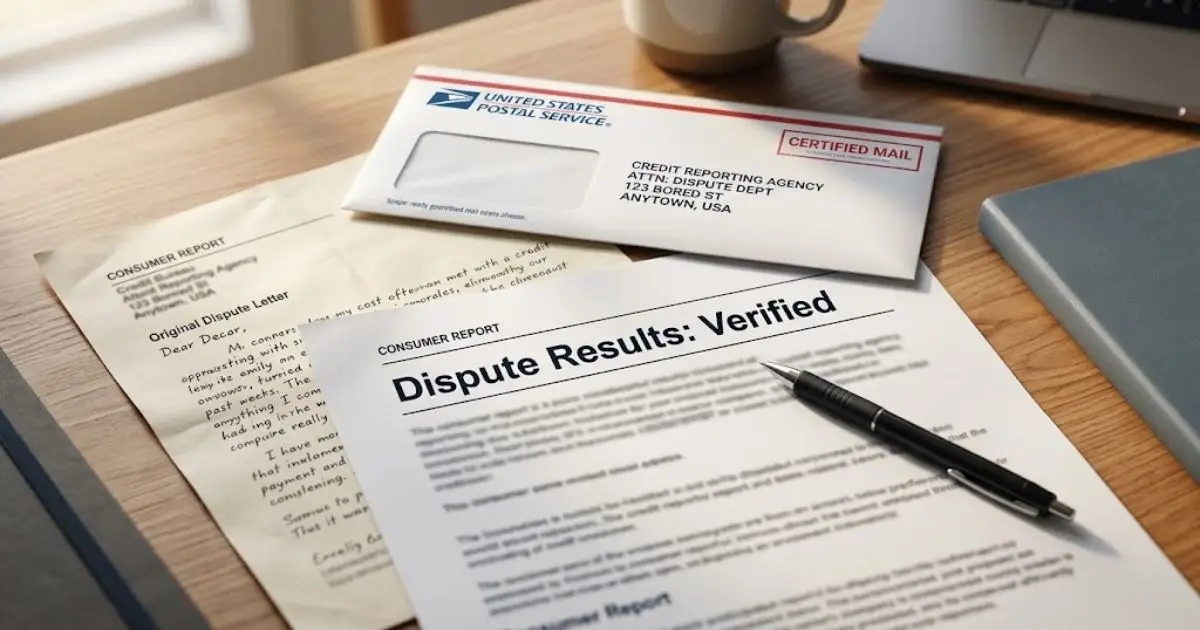
Table of ContentThe Myth of ‘Meets FCRA Requirements’: Why Your Dispute Isn’t Over
You send in a dispute with detailed documentation proving that an account on your credit report is inaccurate or fraudulent. Weeks later, the credit bureau responds: “After investigation, the account meets FCRA requirements.”
No explanation. No correction. Just a vague declaration meant to imply finality. But here’s the truth: this phrase carries no legal weight and often signals the exact opposite of what it claims.
It’s a phrase millions of consumers have encountered when trying to address credit reporting errors, identity theft, and inaccuracies. Yet it’s rarely explained, never backed by evidence, and often used to deflect accountability.
Understanding what this phrase actually means can be the difference between living with financial consequences and asserting your legal rights.
Why This Phrase Persists
Credit bureaus and data furnishers process millions of disputes annually. As workloads mount, standardized responses like “meets FCRA requirements” become their go-to solution for shutting down inconvenient disputes. It’s efficient, vague, and requires minimal effort.
But beneath the surface, it reflects deeper issues:
- Automated credit dispute responses that sidestep evidence
- Over-reliance on creditor records—even if outdated or incorrect
- A misinterpretation of the Fair Credit Reporting Act (FCRA) designed to discourage further action
This phrase is not a legal finding, not a regulatory decision, and certainly not a verdict. It’s an internal summary—nothing more. If your credit dispute was denied with this phrase, your fight may just be starting. Don’t let this notation mark the end of your fight for accurate credit reporting.
The Fair Credit Reporting Act: Your Rights in Writing
The FCRA was enacted to protect consumers from inaccurate or unfair credit reporting practices. It sets strict obligations for credit bureaus and data furnishers (such as credit card companies) while granting individuals key protections, including:
- The right to accuracy: Credit reports must reflect true, verified information.
- The right to investigation: Disputed data must be examined with reasonable diligence.
- The right to correction: Verified errors must be deleted or amended promptly.
- The right to accountability: When these rules are violated, legal consequences follow.
These aren’t suggestions. They’re enforceable under federal law. And they apply whether your file has one error or a dozen.
What “Meets FCRA Requirements” Really Means
When a credit bureau states that an account “meets FCRA requirements,” here’s what they could actually be saying:
- They reached out to the data furnisher (the company that provided the account info).
- That company confirmed the account or otherwise verified the inaccurate reporting, oftentimes without providing supporting documentation.
- Based on that exchange, the bureau closed your dispute.
Often, the original creditor hasn’t evaluated your documents at all. No one assessed whether the account was opened fraudulently. No one compared ID numbers, signatures, or timestamps. And no one explained why your evidence didn’t change the outcome.
It’s not just frustrating—it’s misleading. This language often delays or prevents proper credit report correction.
When This Response Covers Real Harm
Some of the most damaging credit report errors are met with the “meets FCRA requirements” response—even when those errors are glaringly false.
Identity Theft
Victims routinely send police reports, affidavits, and supporting documents proving fraudulent activity. Still, bureaus respond that the account was “verified” and meets the necessary standards. The reason? The original creditor lacks complete documentation or hasn’t updated their records—and the bureaus rarely demand further proof.
Mixed Credit Files
When your credit data is merged with someone else’s—usually due to similar names or Social Security numbers—the damage can be insurmountable. Accounts, bankruptcies, and judgments belonging to others appear under your name. Even when the mix-up is obvious, consumers are told the accounts are valid.
Verified Without Basis
Accounts that clearly don’t belong to you—debts from states you’ve never lived in, accounts opened decades before your birth, or companies you’ve never heard of—may still get the “verified as accurate” notation. And while the bureaus move on, your life grinds to a halt.
Consequences of Inaccurate Credit Reporting
Incorrect or fraudulent credit information doesn’t live in a vacuum. It spreads to lenders, employers, landlords, insurers, and banks. And that misinformation translates into tangible setbacks:
- Mortgage Denials: You may be turned away from homeownership due to someone else’s debt.
- Job Rejection: Background checks that rely on flawed credit data can cost you opportunities.
- Lost Access to Credit: Loans, credit cards, and even vehicle financing may be out of reach.
- Higher Interest Rates: Verified-but-wrong accounts can tank your score, costing thousands annually.
- Emotional Strain: The helplessness of being wrongly penalized—while powerful companies refuse to engage—is exhausting.
These are not theoretical harms but real ones that multiply each time your report is shared with another institution.
Why Legal Action Matters
The FCRA isn’t just a guidebook—it’s a set of enforceable standards. When credit bureaus or furnishers mishandle your information, you have legal remedies that go far beyond another round of form letters.
What the Law Allows
If inaccurate information persists—especially after you’ve provided documentation—you may have grounds to seek:
- Compensation for financial losses: Mortgage denials, declined credit applications, and elevated interest rates.
- Damages for emotional distress: Anxiety, embarrassment, and psychological harm.
- Recovery of attorney’s fees: Ensuring you don’t have to pay out of pocket to protect your rights.
- Statutory and punitive damages: In cases where violations were knowing or reckless.
These pathways require evidence. But when your documentation is strong and errors remain, the law is clear: you’re entitled to justice.
What Raburn Kaufman Does Differently
At Raburn Kaufman, we’ve seen firsthand how damaging this phrase can be. That’s why we don’t treat “meets FCRA requirements” as the end of the story. For us, it may be where your case begins.
Targeted Legal Challenges
When standardized responses block meaningful progress, we construct tailored legal claims that identify specific violations. We highlight overlooked evidence, procedural failures, and contradictions in how your disputes were handled by the credit bureaus.
Federal Litigation When Necessary
When alternative remedies fail, we file federal lawsuits. Our team has successfully held national furnishers and credit bureaus accountable for persistent credit reporting errors. These cases result in real change: corrected data, restored credit health, and financial recovery.
No Upfront Costs
We operate on a contingency fee basis. That means you pay nothing unless we win. In FCRA cases, attorney fees are often covered by defendants—ensuring that justice is financially accessible to everyone regardless of income or background.
Don’t Let Generic Language Stall Your Progress
“Meets FCRA requirements” sounds final. It’s not. It’s a placeholder—a message designed to quiet further inquiry. But behind that phrase may be a real, correctable error impacting your life.
You don’t have to settle for canned responses, incomplete investigations, or quiet refusals. You can assert your rights under federal law—and demand accountability from the institutions that shape your financial future.
Contact Raburn Kaufman today for a free consultation with a credit reporting attorney. We represent consumers nationwide. No fees unless we win.
Because your credit report should reflect truth, not bureaucracy. Your financial story deserves to be told accurately.
Share
Free case review
Think This Is Happening to You?
An attorney can review your credit reports and records for free. You pay nothing unless we win.
Related: Credit Reporting Attorneys
Official resource
How do I dispute an error on my credit report?(opens in a new tab)
Consumer Financial Protection Bureau. The steps for disputing an error with a credit reporting company.
Keep reading
Credit Report Errors
Why Credit Karma Isn't Enough: What You're Missing on Your Credit Report
Nearly 130 million Americans use Credit Karma to monitor their credit scores. The app offers convenience and free access, but it only shows part of the picture.
Read Article
Credit Report Errors
Why Using AI Tools for Your FCRA Case Is a Costly Mistake
Consumers increasingly turn to artificial intelligence for answers to complex problems, and legal issues are no exception.
Read Article
Credit Report Errors
Preparing for a Mortgage? Watch Out for Credit Errors
A credit report error can stall a mortgage application. Learn which errors to look for before you apply and how to dispute them under the FCRA before closing.
Read Article