

When Both Original Creditors and Debt Collectors Report Your Debt
Duplicate debt reporting may inflate your credit balances and damage your score. Learn how the FCRA protects you, and when speaking with an attorney can help.
Table of ContentWhen Both Original Creditors and Debt Collectors Report Your Debt
Your credit report serves as a financial snapshot that influences major life decisions, from securing a mortgage to landing your dream job. When errors appear in this document, the consequences can be far-reaching and devastating.
One particularly troubling issue affects thousands of consumers: duplicate debt reporting, in which both the original creditor and a debt collector report the same debt as an active balance.
This practice can artificially inflate your total debt burden, damage your credit score, and create confusion that persists for months or even years. While credit reporting laws exist to protect consumers, many people don’t realize when their rights have been violated or what steps they can take to correct these harmful errors.
Understanding duplicate debt reporting and your legal protections under the Fair Credit Reporting Act (FCRA) is key to maintaining credit report accuracy.
What Is Duplicate Debt Reporting?
Duplicate debt reporting occurs when the same debt appears twice on your credit report, typically listed by both the original creditor and a debt collection agency. This creates the false impression that you owe money to two separate entities for different debts. When in reality, only one debt exists.
This situation commonly develops when an original creditor charges off an unpaid account and subsequently sells or assigns the debt to a collection agency. During this transition, both parties may continue reporting the debt with active balances. This can happen even though the debt has been transferred and should only appear once on your credit report.
Several red flags can help you identify duplicate debt reporting on your credit report. Look for accounts with identical or very similar balances from different creditors, especially when one is the original creditor and the other is a collection agency.
You might also notice accounts with the same original creditor name but different account numbers. You may also see collection accounts that reference the same original debt that still appears as an active balance elsewhere on your report.
The timing of these entries can also reveal duplication. If you see a charged-off account on your credit report and a collection account for the same debt, check the dates. When those dates align with when the original creditor would have transferred the debt, this pattern suggests potential duplicate reporting.
Is It Legal for Both to Report a Balance?
The Fair Credit Reporting Act requires that all information on your credit report be accurate and not misleading. While both an original creditor and a collection agency may report information about the same debt, they cannot both report active balances in a way that suggests you owe the money twice.
When a debt is charged off and sold or assigned to a collection agency, the original creditor should typically update their reporting to show a zero balance while maintaining the charge-off status. The debt collection agency can then report the current balance owed. This approach provides a complete picture of the debt’s history without artificially inflating your total debt burden.
However, the distinction between permissible and impermissible reporting can be complex. Original creditors may continue reporting certain information about transferred debts, including the charge-off status and payment history. However, reporting an outstanding balance after transferring the debt can be misleading and potentially inaccurate.
When both entities report positive balances on the same debt, dual reporting becomes deceptive, suggesting you owe twice the actual amount. This misrepresentation violates FCRA standards for accurate reporting. It can significantly harm your creditworthiness in the eyes of lenders and other parties who review your credit report.
Real-World Impact on Consumers
The consequences of duplicate debt reporting extend far beyond confusing numbers on a credit report. When your total reported debt is artificially inflated, your credit utilization ratios become skewed, often resulting in significant drops to your credit score.
These credit score reductions from duplicate reporting can push you into lower credit tiers. It can ultimately affect your ability to qualify for favorable loan terms or credit products.
Lenders reviewing your credit report may perceive you as overextended or financially irresponsible when they see what appears to be multiple unpaid debts. This perception can lead to denials for mortgages, auto loans, credit cards, and other financing options. Even when you do qualify for credit, you may face higher interest rates and less favorable terms due to the apparent increased risk.
The impact extends beyond traditional lending decisions. Landlords conducting tenant screenings may reject rental applications based on what appears to be excessive debt. Employers in certain industries may view the apparent financial instability as a concern, particularly for positions involving financial responsibilities or security clearances.
Beyond the tangible financial consequences, duplicate debt reporting creates significant emotional stress and confusion. Many consumers spend countless hours trying to understand why the same debt appears multiple times on their credit reports.
The frustration intensifies when initial attempts to resolve the dispute fail, leaving consumers feeling powerless and uncertain about their financial standing.
What You Can Do If You Spot Duplicate Reporting
When you identify potential duplicate debt reporting on your credit report, taking prompt action is crucial for minimizing ongoing damage to your credit profile.
Begin by obtaining current copies of your credit reports from all three major credit bureaus: Equifax, Experian, and TransUnion. Get a complete picture of how the duplicate reporting appears across different reports.
Carefully document all instances of duplicate reporting, including account numbers, creditor names, balances, and dates. Take screenshots or copy the relevant sections of your credit reports. Then, create a detailed timeline showing when the original debt was incurred, when it was charged off, and when collection activity began.
Maintain detailed records of all communications. Keep copies of dispute letters, certified mail receipts, and any responses you receive. Document phone calls with dates, times, and the names of representatives you speak with. This documentation becomes crucial if further legal action becomes necessary.
When to Contact an FCRA Attorney
While many credit report errors can be resolved through direct disputes, duplicate debt reporting cases often require legal intervention, especially when initial dispute attempts fail or when the reporting continues despite your efforts to correct it. Several circumstances indicate that contacting an experienced FCRA attorney may be your best path forward.
If a credit bureau error goes unaddressed, dismisses your disputes as frivolous, or fails to conduct reasonable investigations, legal action may be necessary to compel proper compliance with FCRA requirements.
Similarly, when furnishers ignore your disputes or continue reporting inaccurate information after being notified of the errors, attorney involvement can effectively escalate the matter.
The complexity of duplicate debt reporting cases often exceeds what consumers can handle alone. These cases may involve multiple parties, complex legal arguments over what constitutes accurate reporting, and technical aspects of credit reporting law that require a professional to handle.
At Raburn Kaufman, our consumer protection attorneys focus on helping consumers address inaccurate credit reporting and seek compensation for the damages these errors cause. Our team understands the intricacies of FCRA law and has extensive experience dealing with credit bureaus and furnishers who fail to comply with their legal obligations.
We handle FCRA cases on a contingency basis, which means you don’t pay attorney fees unless we successfully resolve your case. This approach ensures that financial concerns don’t prevent you from accessing the legal representation you need to protect your rights and restore your credit.
Protecting Your Credit Rights
Duplicate debt reporting represents a serious violation of your credit reporting rights that can cause lasting financial and emotional harm. While the credit reporting system should protect consumers through accuracy requirements, these protections only work when errors are identified and properly addressed.
Taking action when you discover duplicate reporting helps protect your financial future. Addressing these errors promptly can help restore your credit profile and prevent ongoing damage to your creditworthiness.
If you’re struggling with duplicate debt reporting or other credit report errors, you don’t have to face this alone. Contact Raburn Kaufman today for a free consultation to discuss your situation and learn about your legal options.
Our experienced team is ready to help you fight for accurate credit reporting and the compensation you deserve for any damages you’ve suffered.
Free case review
Think This Is Happening to You?
An attorney can review your credit reports and records for free. You pay nothing unless we win.
Related: Credit Reporting Attorneys
Official resource
Fair Credit Reporting Act(opens in a new tab)
Federal Trade Commission. The full text of the federal law that governs credit reports and background checks.
Keep reading
Credit Report Errors
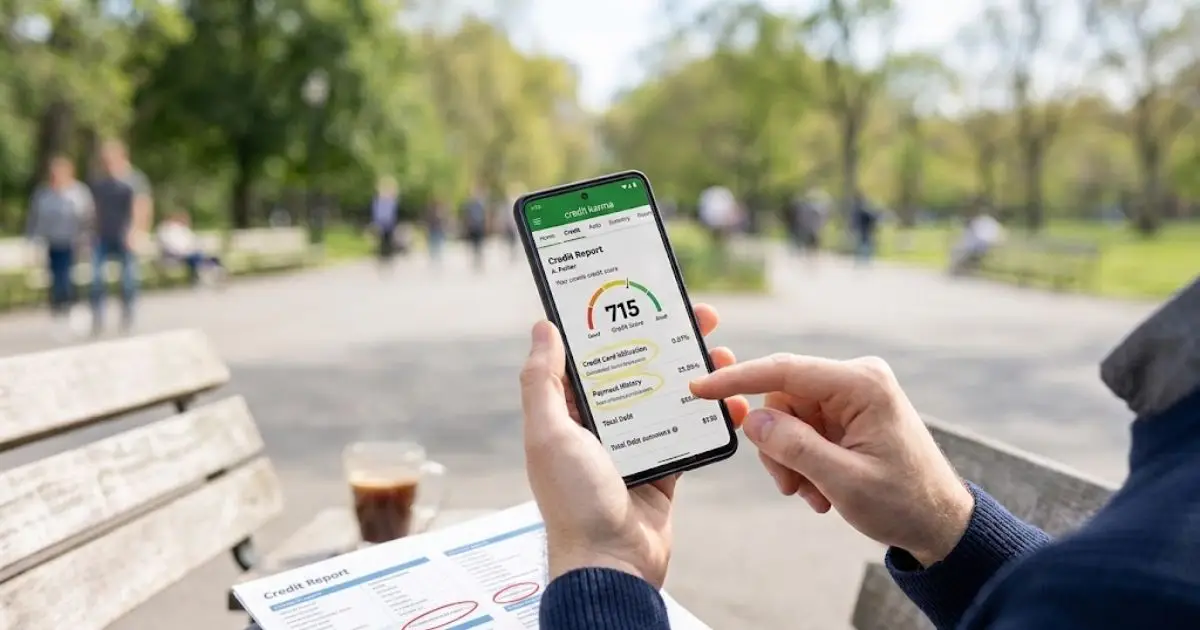
Why Credit Karma Isn't Enough: What You're Missing on Your Credit Report
Nearly 130 million Americans use Credit Karma to monitor their credit scores. The app offers convenience and free access, but it only shows part of the picture.
Read Article
Credit Report Errors
Why Using AI Tools for Your FCRA Case Is a Costly Mistake
Consumers increasingly turn to artificial intelligence for answers to complex problems, and legal issues are no exception.
Read Article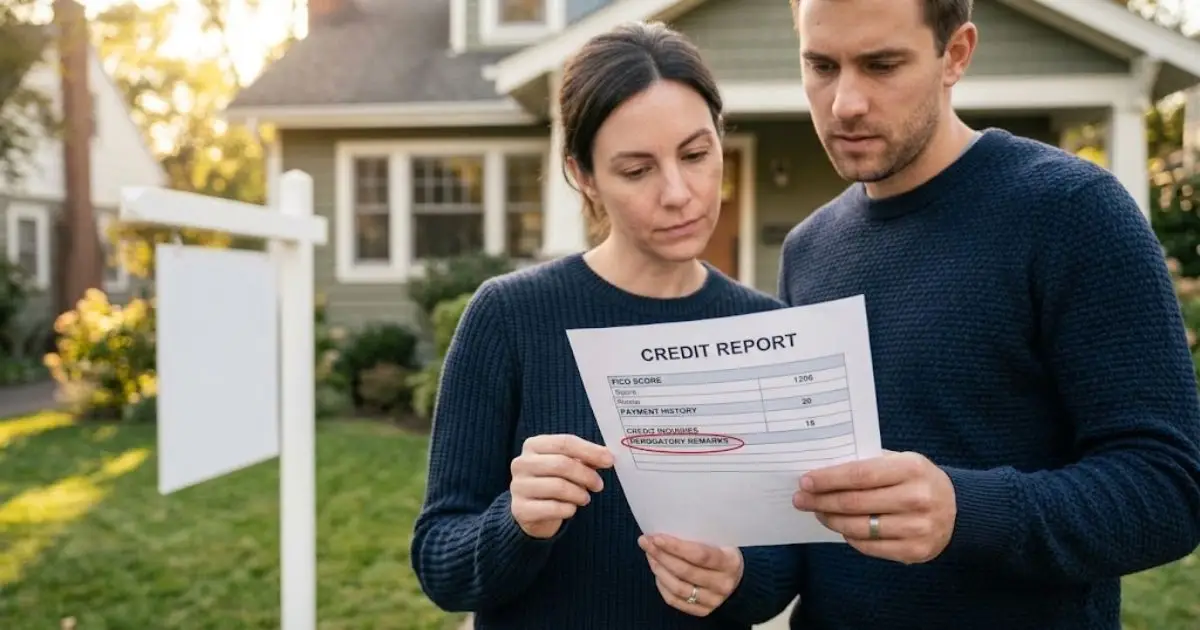
Credit Report Errors
Preparing for a Mortgage? Watch Out for Credit Errors
A credit report error can stall a mortgage application. Learn which errors to look for before you apply and how to dispute them under the FCRA before closing.
Read Article