

Why Checking AnnualCreditReport.com Should Be Part of Your Financial Routine
Your credit report quietly shapes some of the biggest decisions in your life. Lenders use it to decide whether to...
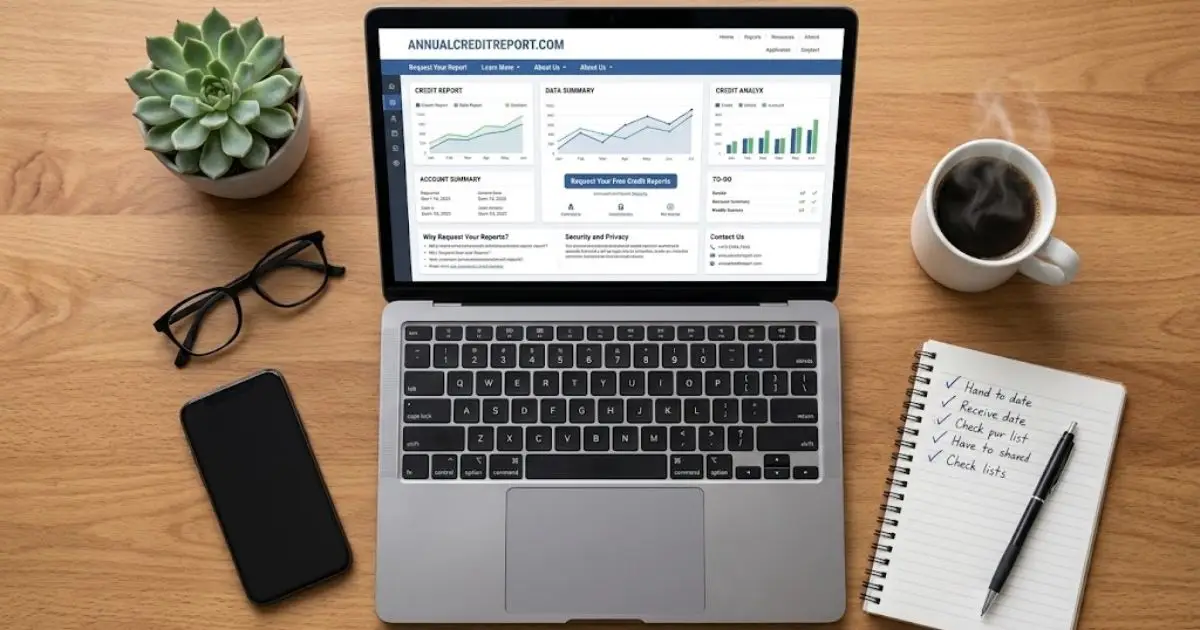
Table of ContentWhy Checking AnnualCreditReport.com Should Be Part of Your Financial Routine
Your credit report quietly shapes some of the biggest decisions in your life. Lenders use it to decide whether to approve your mortgage. Landlords review it before handing over keys. Employers in certain industries check it before making a hire. Even your car insurance premium can be influenced by what’s on it.
Given how much depends on your credit, it’s surprising how few people actually read and review their credit reports. Millions of Americans have never pulled their credit report and many who have, haven’t done so in years. That’s a problem, because errors are far more common than most people realize. Studies have found that a significant portion of credit reports contain serious errors that affect creditworthiness. Some are minor. Others cost people real money and opportunities.
The good news? Reviewing your credit report is free, takes only a few minutes, and can protect you from financial harm that’s entirely preventable.
What Is AnnualCreditReport.com and Why It Matters
AnnualCreditReport.com is the only website officially authorized to provide free credit reports from the largest credit reporting agencies. It’s not a third-party service or a marketing tool, it’s the official, government-mandated source, jointly operated by the three major credit bureaus: Equifax, Experian, and TransUnion.
Each bureau compiles its own report based on data submitted by lenders, collection agencies, and other creditors. The information doesn’t always match across all three, which is exactly why checking each one matters. An error on your Experian report might not show up on your TransUnion report, and vice versa.
Free weekly reports are available from all three bureaus through AnnualCreditReport.com, giving you control over your financial picture.
4 Reasons to Check Your Credit Report Regularly
- Catch Identity Theft Early
Fraudulent accounts don’t announce themselves. Someone could open a credit card in your name, run up a balance, and leave it delinquent for months before you ever notice. By that point, the damage to your credit score and the stress of unraveling the fraud is already significant.
Checking your reports regularly means you’re far more likely to catch suspicious accounts or inquiries while they’re still manageable. The sooner you identify a problem, the easier it is to dispute and resolve.
- Spot Reporting Errors Before They Hurt You
Mistakes happen more often than the system would like to admit. Common reporting errors include:
- Incorrect account balances
- Inaccurate and missing payment dates
- Accounts that were closed but are still listed as open
- Accounts that don’t belong to you at all
- Duplicate listings of the same debt
Any one of these can drag down your credit score without warning. A lower score means higher interest rates, stricter loan terms, or outright denial, none of which reflect your actual financial behavior.
- Monitor Debt Collectors for Accuracy
Collection accounts are some of the most error-prone areas of any credit report. Debt collectors frequently report incorrect amounts, list debts as unpaid when they’ve already been settled, or report debts that were never yours to begin with.
These errors don’t just appear and disappear. They sit on your report, often for years, pulling your score down and following you from application to application. Catching them quickly gives you the chance to dispute them while the trail is still clear.
- Ensure Old Negative Items Are Removed on Time
Negative items on your credit report aren’t permanent, but they don’t always disappear on schedule either. Late payments generally stay on your report for seven years. Collections, charge-offs, and most other negative marks follow a similar timeline. Bankruptcies can remain for up to ten years.
The problem is that not all of these items fall off when they’re supposed to. Some linger past their legal expiration date, quietly damaging your score long after they should have been removed. Regular reviews help you catch these overdue items and dispute them before they do more damage than necessary.
What to Do If You Find an Error
If something looks wrong on your report, you have the right to dispute it. The process involves submitting a formal dispute to the credit bureau reporting the error. The bureau is then required to investigate and respond—typically within 30 days.
The catch? These investigations are often superficial. Bureaus frequently rely on automated systems to verify disputed information with the original furnisher, rather than conducting a meaningful review of the underlying records. If the furnisher simply confirms the debt (accurately or not), the bureau may close the dispute without making any changes.
This is where your rights under the Fair Credit Reporting Act (FCRA) become important. The FCRA gives consumers specific protection against inaccurate reporting, and it holds both credit bureaus and data furnishers accountable when they fail to correct errors after proper notice.
When It’s Time to Call an FCRA Attorney
You don’t have to wait until after a dispute, or even file one at all, to reach out to an FCRA attorney. Many consumers think they must “try disputing first,” but that’s not a requirement.
That said, if you have disputed an error and the credit bureau or furnisher refuses to correct it, or continues reporting information you know is inaccurate, that’s often a strong sign it’s time to get legal help.
Common situations where legal help makes sense include:
- Identity theft accounts that remain on your report despite disputes
- Verified errors that bureaus refuse to fix
- Inaccurate information that has led to denied credit, higher interest rates, or lost job or housing opportunities
One important detail that many consumers don’t realize: under the FCRA, attorney’s fees are typically paid by the credit bureaus or furnishers—not by you. That means getting legal representation in a qualifying case often comes at no cost to the consumer.
How Raburn Kaufman Helps Protect Your Credit
At Raburn Kaufman, we work with consumers who are dealing with credit reporting problems that haven’t been resolved through standard dispute channels. Our team reviews your credit reports for potential FCRA violations and litigates against bureaus or furnishers who refuse to correct clear inaccuracies.
For qualifying cases, we offer no-cost representation. Meaning if we don’t win, you don’t pay. You shouldn’t have to absorb the financial burden of fixing a problem that someone else created.
A Few Minutes a Month Can Protect Your Financial Future
Checking your credit report isn’t complicated, and it doesn’t take long. It’s free, it’s federally protected, and it’s one of the most straightforward things you can do to stay on top of your financial health.
Make it a routine. Pull your reports from AnnualCreditReport.com every few months, review them carefully, and act quickly if something doesn’t look right.
If you find an error that isn’t getting resolved or you suspect your rights under the FCRA have been violated, contact Raburn Kaufman for a free case evaluation. We’ll help you understand your options and take the right next steps.
Share
Free case review
Think This Is Happening to You?
An attorney can review your credit reports and records for free. You pay nothing unless we win.
Related: Credit Reporting Attorneys
Official resource
AnnualCreditReport.com(opens in a new tab)
The official site for free credit reports. Request your reports from all three bureaus, the first step in finding an error.
Keep reading
Credit Report Errors
Why Credit Karma Isn't Enough: What You're Missing on Your Credit Report
Nearly 130 million Americans use Credit Karma to monitor their credit scores. The app offers convenience and free access, but it only shows part of the picture.
Read Article
Credit Report Errors
Why Using AI Tools for Your FCRA Case Is a Costly Mistake
Consumers increasingly turn to artificial intelligence for answers to complex problems, and legal issues are no exception.
Read Article
Credit Report Errors
Preparing for a Mortgage? Watch Out for Credit Errors
A credit report error can stall a mortgage application. Learn which errors to look for before you apply and how to dispute them under the FCRA before closing.
Read Article