


Background Check Errors - Raburn Kaufman, LLC
Experiencing background check errors? Trust Raburn Kaufman for experienced legal support in rectifying inaccuracies and safeguarding your reputation.
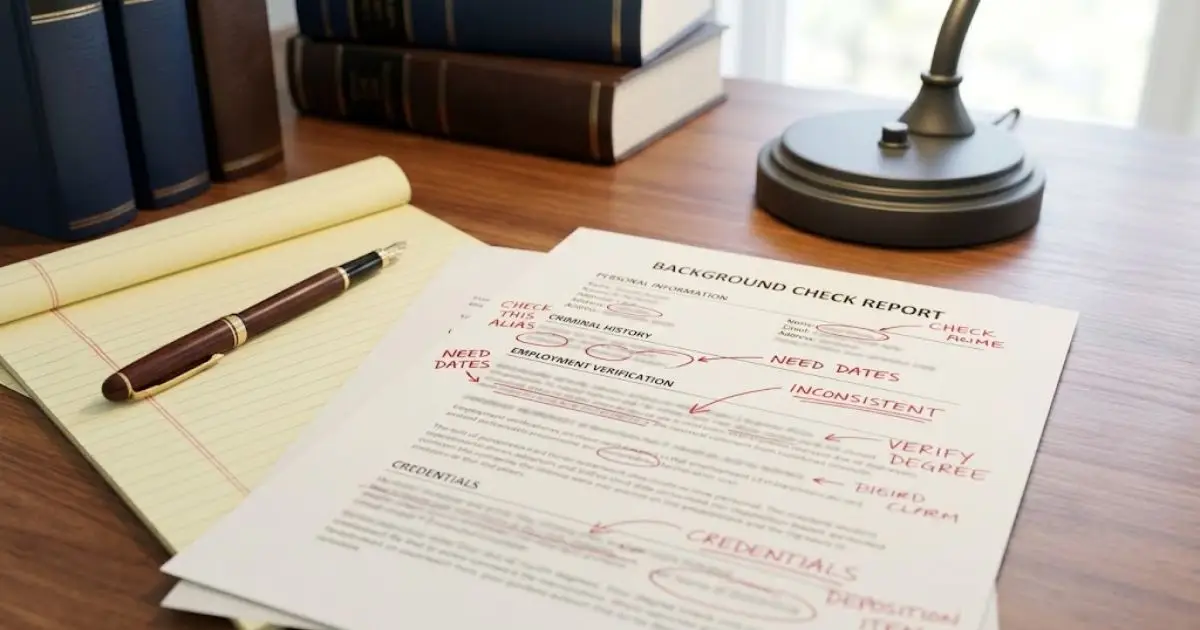
Table of ContentBackground Check Errors - Raburn Kaufman, LLC
Background Check Errors Aren’t Your Fault—They’re Your Case
Few experiences are as jarring as losing a job opportunity or being denied housing because of information that simply isn’t true. Background check errors and false criminal records affect countless Americans each year, creating barriers to employment, housing, and other essential opportunities based on false or outdated information.
The emotional impact can be devastating. Many people describe feeling confused, stressed, and powerless when confronted with background report mistakes that don’t reflect their actual history. The good news is that federal law provides meaningful protections through the Fair Credit Reporting Act (FCRA), which gives consumers the right to dispute errors and seek corrections to their consumer reports and background checks.
Understanding your rights under the FCRA and knowing how to respond when errors occur can help you protect your reputation and secure the opportunities you deserve. Let’s explore the most common types of background screening errors and the steps you can take to correct them.
Common Types of Background Check Errors
Inaccurate background checks can take many forms, each with the potential to significantly impact your life. Recognizing these common error types can help you identify problems in your own records.
File Mixing and Identity Confusion
One of the most frequent errors involves mixed credit or background files, where your personal information becomes confused with someone else’s criminal record.
This typically happens when individuals share similar names, birth dates, or Social Security numbers. The result can be devastating—your clean record suddenly shows arrests, convictions, or other negative information that belongs to another person entirely.
Outdated or Expunged Records
Background reports sometimes include charges that should have been removed from your record. This includes cases that were dismissed or charges that were expunged or sealed by court order. Under federal law, most criminal convictions can only be reported for seven years, though this rule may vary by state.
Duplicate or Misclassified Records
Duplicate background check entries may appear multiple times on the same report, making a single incident look like a pattern of behavior. Similarly, charges may be misclassified—a misdemeanor listed as a felony, or a minor infraction elevated to a more serious offense. These errors can dramatically alter how employers or landlords perceive your background, affecting your reputation.
Inaccurate Employment and Address History
Background reports often contain errors beyond criminal history. Employment dates may be wrong, employers may be listed incorrectly, or unfamiliar addresses may be attributed to you. While these seem minor, they can raise red flags about your honesty and reliability.
Identity Theft Implications
Sometimes background check errors result from identity theft, where someone else has used your personal information. These cases require immediate attention, as they may indicate ongoing identity theft issues that extend beyond background reporting.
How Background Reports Are Governed Under the FCRA
The Fair Credit Reporting Act doesn’t just cover traditional credit reports—it also regulates consumer reporting agencies and background check companies that provide background screening services to employers, landlords, and other entities. Understanding these protections is crucial for anyone dealing with background check errors.
Requirements for Reporting Companies
Under the FCRA, consumer reporting agencies must maintain accurate information and follow specific procedures when disputes arise. They’re required to conduct reasonable investigations when consumers challenge information and must remove or correct inaccurate data.
The law also mandates that agencies provide timely responses to dispute requests, typically within 30 days.
Your Rights as a Consumer
The FCRA grants you several important rights regarding background reports. You have the right to receive notice when someone uses a background report to make an adverse decision about you, such as denying employment or housing. You’re also entitled to receive a free copy of any report that was used in making that decision.
The Damage Background Report Errors Can Cause
The consequences of false background information extend far beyond mere inconvenience. These mistakes can derail career trajectories, housing plans, and personal relationships in ways that create lasting harm.
Professional and Financial Impact
Job offers may be revoked at the last minute, leaving you unemployed and potentially damaging relationships with prospective employers. Housing applications get denied, forcing you to continue expensive month-to-month arrangements or move to less desirable locations. Professional licenses may be delayed or denied, preventing you from working in your chosen field.
Reputation and Emotional Consequences
Background check errors can create stigma that follows you through multiple interactions with employers, landlords, and even family members who may question your honesty. The emotional toll includes feelings of helplessness, frustration, and anxiety about future opportunities. Many people report losing sleep and experiencing significant stress while trying to resolve these issues.
Long-Term Ramifications
Beyond immediate denials, background check reporting errors can create a pattern of rejection that becomes increasingly difficult to overcome. Each denial may lead to questions about gaps in employment or housing history, compounding the original problem and making it harder to move forward with your life.
How Raburn Kaufman Advocates for You
At Raburn Kaufman, we understand the devastating impact that background check errors can have on your life. Our experienced team specializes in FCRA cases involving inaccurate background reports, and we’re committed to helping you restore your reputation and recover from the harm these errors have caused.
Our Comprehensive Approach
We begin by thoroughly reviewing your background report to identify all inaccuracies, not just the obvious ones. Our team then works systematically to demand proper reinvestigation from reporting companies. When agencies fail to correct errors or conduct inadequate investigations, we escalate matters through federal FCRA litigation.
Proven Results
We’ve successfully helped clients who have faced false criminal records, background check mix-ups, and duplicate entries that were damaging their reputations.
Our clients have recovered financial damages for lost opportunities, emotional distress, and harm to their reputations. More importantly, they’ve been able to move forward with their lives knowing their records accurately reflect their actual history.
Fighting for Your Rights
Consumer reporting companies often ignore or inadequately respond to individual disputes, hoping that consumers will simply give up. We refuse to let that happen. Our legal team has the knowledge and resources to hold these companies accountable.
What To Do If You’ve Been Denied Based on a Background Report
If you’ve been denied employment, housing, or another opportunity based on a background check report, taking immediate action is crucial. The steps you take in the first few weeks can significantly impact your ability to resolve the situation effectively.
Request Your Report
You’re entitled to a free copy of any background report used to make an adverse decision about you. Contact the reporting company immediately to request this report. Review it carefully, line by line, to identify any inaccuracies.
Document Everything
Flag any errors immediately and gather supporting documentation. This might include court records showing charges were expunged or employment records with correct dates.
Seek Legal Representation
Don’t navigate this process alone. An experienced FCRA attorney for background check errors can help you understand your rights and take legal action if reporting companies fail to correct errors. At Raburn Kaufman, FCRA cases are handled on a contingency basis, meaning you don’t pay attorney fees unless you recover damages.
Preserve Important Documents
Keep copies of all denial letters, correspondence with reporting companies, and supporting documentation. These materials may be crucial if legal action becomes necessary to resolve your case.
Protecting Your Future Through Legal Action
Background check errors don’t have to define your future. With experienced legal representation and a thorough understanding of your rights under the FCRA, you can recover from the harm these errors have caused.
The reporting companies that profit from background screening have a legal obligation to maintain accurate records and respond properly to disputes. When they fail to meet these obligations, they can be held accountable through FCRA lawsuits in federal court.
If you’ve been denied opportunities based on inaccurate background information, don’t wait to seek help. Contact Raburn Kaufman today for a free evaluation of your case. Your reputation and your future are too important to leave to chance.
Share
Free case review
Think This Is Happening to You?
An attorney can review your credit reports and records for free. You pay nothing unless we win.
Related: Background Check Errors
Official resource
Employer background checks and your rights(opens in a new tab)
Federal Trade Commission. What an employer must tell you, and what to do if a report has errors.
Keep reading

Background Check Errors
Uber Background Check Errors: Can You Sue?
Uber background check errors can deactivate drivers unfairly. Learn why mistakes happen, your legal rights under federal law, and when you may sue for lost income.
Read Article
Background Check Errors
Grubhub Background Check Errors: Know Your Rights
A single error in a background check can cost a Grubhub driver their entire livelihood. No warning. No clear explanation. Just a sudden deactivation notice and silence.
Read Article
Background Check Errors
SmartMove Background Checks: What to Do If Yours Is Wrong
Getting denied for an apartment can be devastating, especially when you believe you are a responsible tenant.
Read Article