

When Your Date of Birth Is Wrong on Your TransUnion Report
Raburn Kaufman outlines what to do when your date of birth is wrong on your TransUnion report. See how a birthdate error may affect credit or background checks.
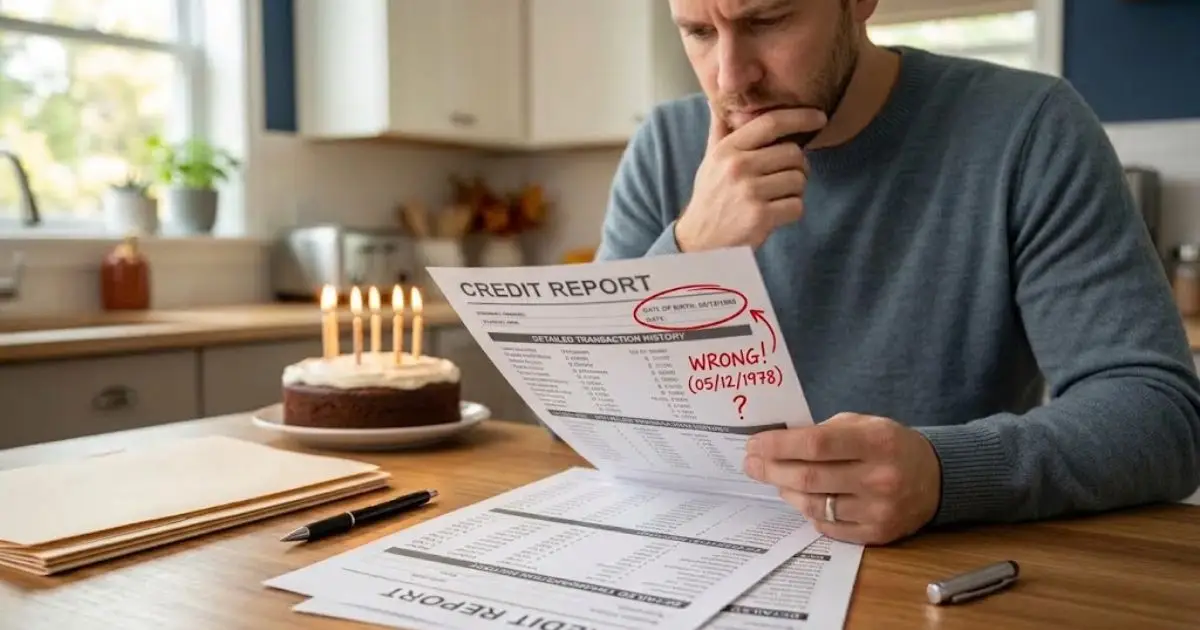
Table of ContentWhen Your Date of Birth Is Wrong on Your TransUnion Report
Ever been denied credit or questioned about your identity because your date of birth was off by a few digits? You’re not alone. Realizing that your date of birth is wrong on your TransUnion report may seem like a minor clerical error. It can trigger major problems in credit decisions, employment screening, and rental housing applications.
That incorrect birthdate might appear harmless, but it can create a cascade of complications that affect your credit score, background checks, and overall financial stability in ways you never imagined.
Understanding why this happens and how to address it properly can save you from months of frustration and potential credit reporting harm. More importantly, recognizing when a wrong birthdate signals deeper issues with your TransUnion credit file can help you take the right action to protect your financial future.
Why Your Date of Birth Matters to Credit Reporting
Your date of birth serves as a critical piece of identification in your consumer credit file. TransUnion and other credit reporting agencies use your DOB alongside your name and Social Security number to verify your identity when lenders, employers, and background screening companies request your credit information.
When you apply for credit, the lender submits your personal information to verify your identity and assess your creditworthiness. If your date of birth doesn’t match what’s on file, several problems can arise:
- Misidentification: The system may not recognize you as the correct person, leading to application delays or denials
- Fraud alerts: Mismatched information can trigger security protocols that freeze your accounts or flag your applications as potentially fraudulent
- Risk assessment errors: Lenders may view the discrepancy as a red flag, affecting their decision to approve your application
These credit report inaccuracies can cost you opportunities for better interest rates, job offers, or housing approvals.
Common Causes of DOB Errors on Credit Reports
Date of birth errors on credit reports typically stem from three main sources. First, simple typing or data entry mistakes occur when you open new accounts or when creditors report information to TransUnion. A clerk might enter the numbers incorrectly, or a digit might get dropped during data transmission.
Second, mismatched records from third-party data furnishers create problems when companies merge databases or update their systems. Sometimes information from different sources gets combined incorrectly, leading to mixed dates.
Third, identity confusion can happen when you share similar names with other consumers or have lived at the same addresses as previous residents. This overlap can cause your information to get tangled with someone else’s credit profile.
TransUnion Mistake or Mixed File?
A wrong date of birth on your TransUnion report might indicate something more serious than a simple typo—it could signal a mixed file. Mixed files occur when your credit profile gets combined with someone else’s information, creating a jumbled mess of accounts, personal details, and credit history that doesn’t belong to you.
DOB errors often serve as the first warning sign of file mixing. When you discover an incorrect birthdate, check your report carefully for other inconsistencies like unfamiliar accounts, alternate spellings of your name, or Social Security numbers that don’t match yours.
Mixed credit files can devastate your credit score and financial standing. You might see accounts you never opened, late payments you never made, or debt that isn’t yours. These credit reporting errors can persist for years if not properly addressed, affecting every aspect of your financial life.
Why Accuracy Isn’t Just a Technical Issue—It’s a Legal One
Under the Fair Credit Reporting Act (FCRA), consumer reporting agencies like TransUnion must maintain “maximum possible accuracy” in their files. This isn’t just a suggestion—it’s a legal requirement with real consequences when violated.
Persistent DOB errors, when connected to other incorrect information, can create grounds for legal action. When TransUnion fails to correct errors after proper notification, or when their investigation proves inadequate, you have legal rights that extend beyond simple corrections.
The FCRA provides remedies for consumers who suffer harm from inaccurate credit reporting. This includes compensation for financial losses, emotional distress, and damage to your reputation caused by reporting errors.
When You Need More Than a Correction
Some credit report mistakes andreporting errors stem from systemic problems in how TransUnion handles your information. When you’re dealing with mixed files, identity theft, or persistent errors that keep reappearing after correction attempts, you need more than a simple dispute resolution.
Legal insight becomes necessary to maintain future accuracy and protect against recurring harm. Knowing your rights under the FCRA and having informed legal guidance can make the difference between short-term relief and lasting resolution.
At Raburn Kaufman, we’ve seen how incorrect dates of birth often connect to larger issues that require legal intervention. We work to ensure TransUnion maintains accurate records and follows proper procedures to prevent future errors.
Let Raburn Kaufman Help You Reclaim Control
Don’t dismiss an inaccurate birthdate as a minor glitch, because finding out that your date of birth is wrong on your TransUnion report can be a sign of deeper issues in your credit file that demand legal attention.
Our client-centered approach focuses on understanding your unique situation and developing strategies that address both immediate concerns and long-term protection. We’ve helped countless consumers navigate complex credit reporting issues, securing not just corrections but also compensation for the harm caused by inaccurate credit reporting.
If you’ve discovered an incorrect date of birth on your TransUnion report—especially if you’ve noticed other inconsistencies—reach out for a free consultation.
Share
Free case review
Think This Is Happening to You?
An attorney can review your credit reports and records for free. You pay nothing unless we win.
Related: Credit Reporting Attorneys
Official resource
Fair Credit Reporting Act(opens in a new tab)
Federal Trade Commission. The full text of the federal law that governs credit reports and background checks.
Keep reading

Credit Report Errors
Why Credit Karma Isn't Enough: What You're Missing on Your Credit Report
Nearly 130 million Americans use Credit Karma to monitor their credit scores. The app offers convenience and free access, but it only shows part of the picture.
Read Article
Credit Report Errors
Why Using AI Tools for Your FCRA Case Is a Costly Mistake
Consumers increasingly turn to artificial intelligence for answers to complex problems, and legal issues are no exception.
Read Article
Credit Report Errors
Preparing for a Mortgage? Watch Out for Credit Errors
A credit report error can stall a mortgage application. Learn which errors to look for before you apply and how to dispute them under the FCRA before closing.
Read Article